


Blog
Do Promotional Products Still Work in the UK? 2026 Data Says Yes
Promotional products are sometimes dismissed as old-fashioned marketing. On the surface that sounds reasonable. We live in a digital-first world, and brands are pouring money into paid search, social media, email automation, influencer campaigns and retargeting. Everything is measurable. Everything is immediate. Everything is fighting for the same few seconds of attention.
But here is the awkward truth: a lot of digital advertising is ignored, skipped, muted, blocked or forgotten almost instantly.
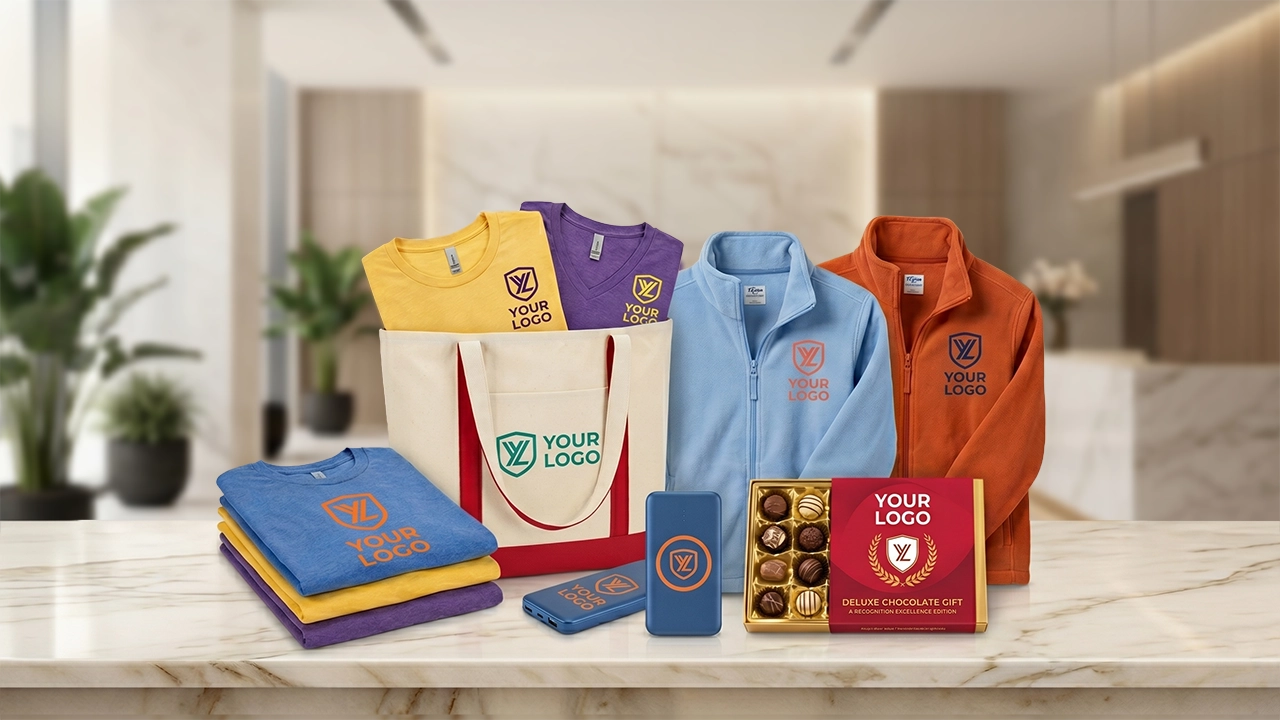
Promotional products work differently. A useful branded item does not need to interrupt anyone, chase them around the internet or shout for attention in a feed. It simply becomes part of someone’s day. A fleece gets worn. A T-shirt gets used. A bag goes to the office, the supermarket or an event. A food gift gets opened and shared. A power bank solves a problem at exactly the right moment.
That is why the latest UK data from the ASI Global Advertising Impressions Study 2026/2027 is so interesting. According to ASI, 97% of UK consumers would have a more favourable impression of an advertiser after receiving a promotional item. Even more telling, 93% would be more likely to do business with an advertiser who gave them one.
For marketers, brand owners and business leaders, those numbers should not be brushed aside. They show that promotional merchandise is not just “free stuff”. Chosen well, it can be a physical brand touchpoint that people actually welcome.
97%
more favourable impression of an advertiser after receiving a promotional item
93%
more likely to do business with an advertiser who gave them one
78%
view promotional products more positively than other advertising
“Promotional products are physical brand media. When they earn a place in someone’s day, they keep working long after a paid ad has been scrolled past.”
All In One Merchandise
The headline UK numbers
Here are the key UK findings from the ASI 2026/2027 study:
| UK consumer response | ASI 2026/2027 |
|---|---|
| More favourable impression of an advertiser after receiving a promotional item | 97% |
| More likely to do business with an advertiser who gave them a promotional item | 93% |
| View promotional products more positively than other forms of advertising | 78% |
These figures tell a simple story. UK consumers are not just willing to receive promotional products; they often respond to them positively. That is the part many businesses underestimate.
The value of promotional merchandise is not only the logo on the product. It is the feeling created by the product. If the item is useful, attractive, well-made and relevant, the brand attached to it benefits from that experience. A cheap, poorly chosen item can make a brand feel careless. A useful, well-chosen item can make the same brand feel practical, thoughtful and professional. That is why product choice matters so much.
Why UK consumers keep promotional products
People keep promotional products for a reason, and usually it is not complicated. According to the ASI UK data, the biggest reason is simple usefulness.
| Reason UK consumers keep promotional items | Percentage |
|---|---|
| Useful to have | 76% |
| Enjoyable to have | 58% |
| Attractive | 42% |
| Reference for contact information | 16% |
That is a useful reminder for any business planning branded merchandise. The starting question should not be “What is the cheapest thing we can put our logo on?” It should be “What would our audience actually want to keep?”
That one change improves the whole campaign. It moves the conversation away from throwaway merchandise and towards products with a real purpose. Useful does not always mean expensive: a good pen, a tote bag, a notebook or a drinks bottle can all be useful. The point is that the product must make sense for the person receiving it. A branded item works best when the recipient sees it as something for them, not just something for the advertiser.
The promotional products UK consumers are most excited to receive
The UK top five in the ASI study are telling. It is not full of odd novelty items; it is full of products that fit naturally into everyday life.
1
Fleece
2
T-shirts
3
Food gifts
4
Bags
5
Mobile power banks
Warmth. Clothing. Food. Carrying capacity. Battery power. That list says a lot about what people value: products that feel useful, familiar and easy to keep.
1. Fleece
Fleece being ranked as the most exciting promotional product for UK consumers makes perfect sense. It suits the British climate, feels practical, and can be worn by staff, clients, volunteers, outdoor teams, hospitality workers, trade teams and event crews. It also gets good visibility because it is worn in public: at work, on site, at exhibitions and during everyday travel.
But quality matters. A thin, badly fitting fleece feels like a cheap giveaway; a well-chosen one feels like a useful item of clothing that happens to carry the brand. For UK businesses, branded fleece and outerwear work especially well for construction companies, schools, colleges, sports clubs, logistics teams, charities, outdoor events, hospitality brands and staff uniforms. The product has to feel wearable first; the branding comes after that.
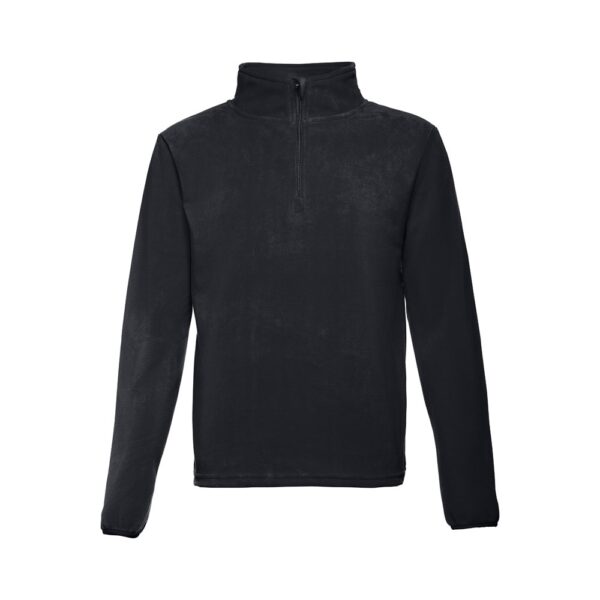
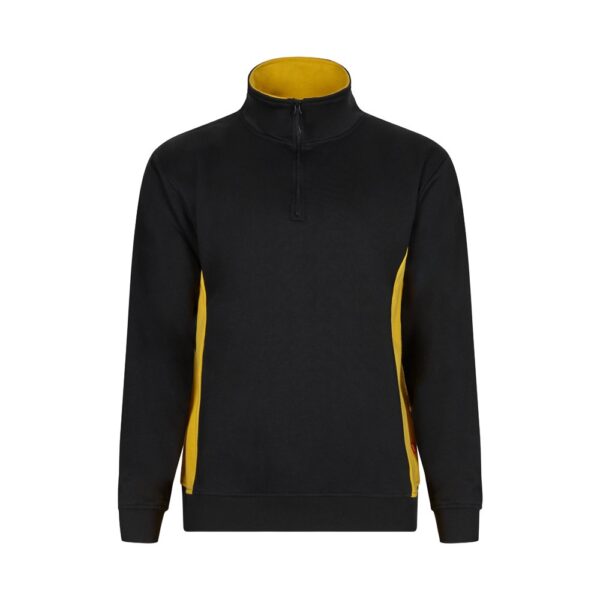
VL SVAROG two-tone fleece sweatshirt
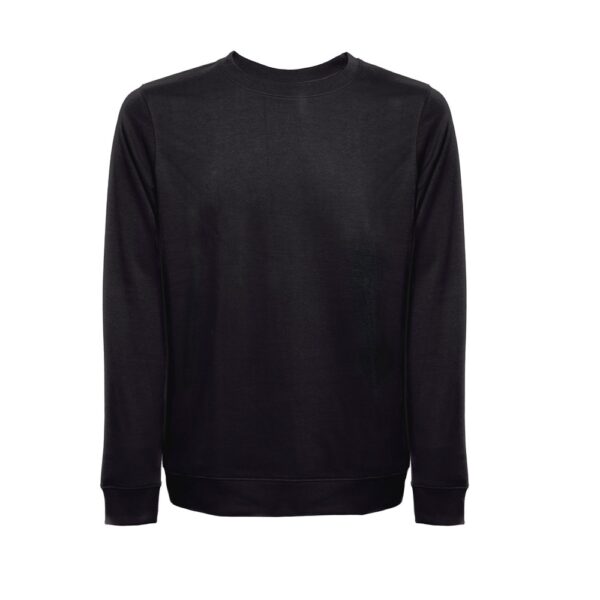
THC COLOMBO unisex fleece sweatshirt
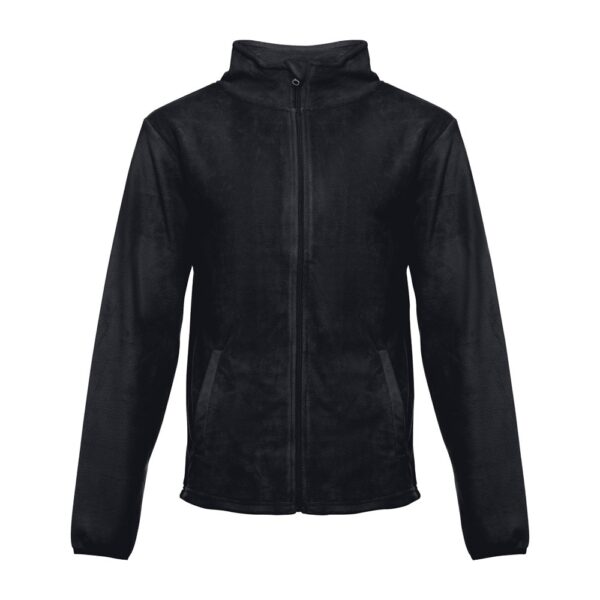
THC HELSINKI polyester fleece jacket
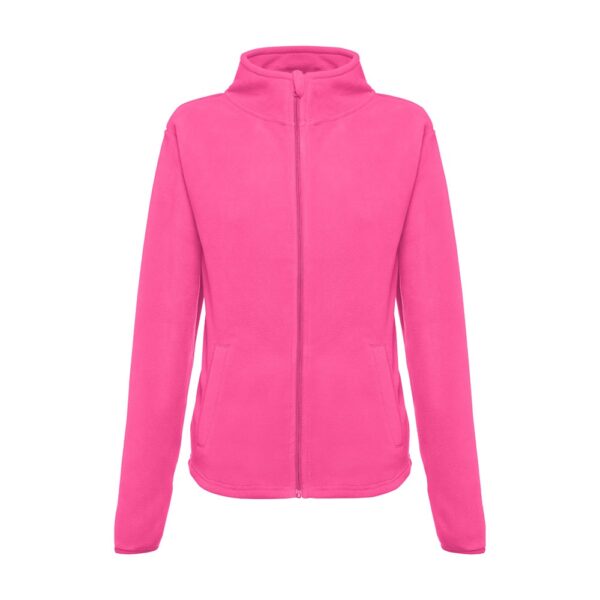
THC HELSINKI WOMEN women’s fitted fleece jacket
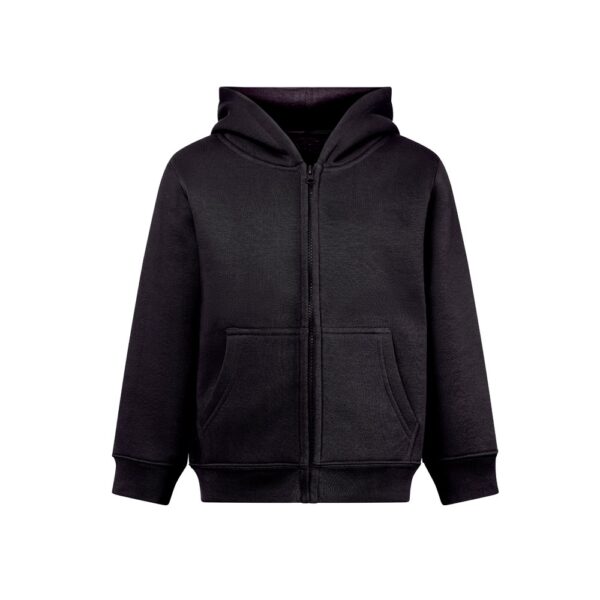
THC AMSTERDAM KIDS children’s fleece jacket
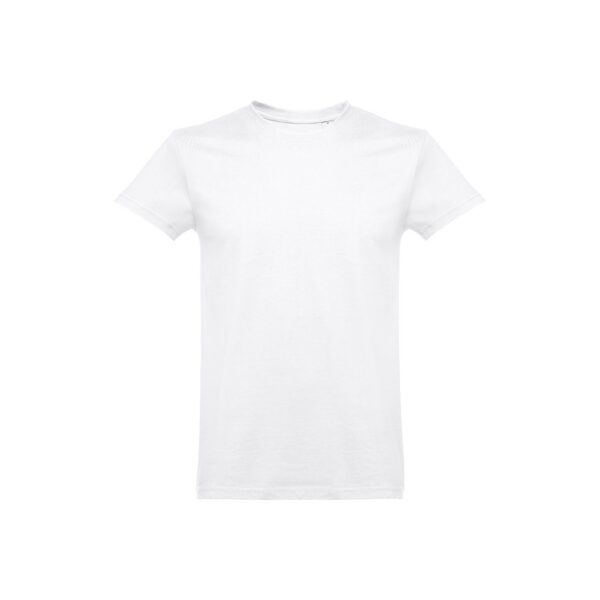
2. T-shirts
Branded T-shirts remain one of the most flexible promotional products. They work for events, product launches, charity campaigns, student campaigns, retail-style merchandise, hospitality teams, festivals, exhibitions and internal brand campaigns.
The danger is treating every T-shirt as the same thing. A heavy, well-cut printed T-shirt with strong artwork feels like proper merchandise; a thin one with a badly placed logo feels disposable. The blank, the fit, the print method and the design all affect whether someone actually wears it. A good promotional T-shirt should not just display a logo; it should carry an idea, a message or a visual identity that people are comfortable being seen in.
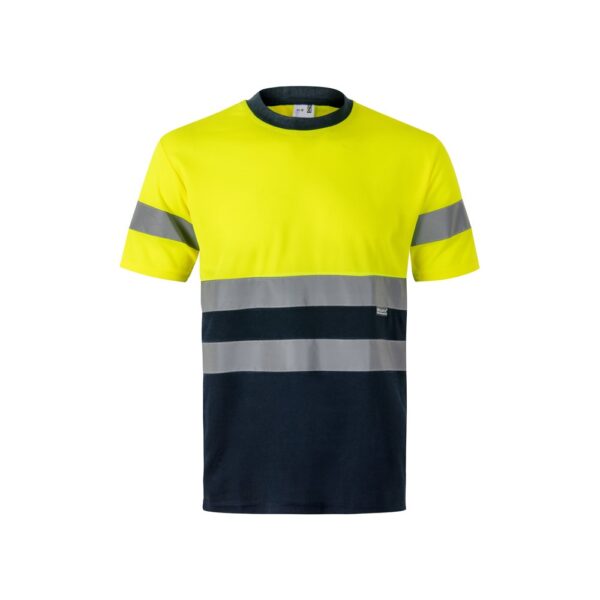
VL BRAHMA LARGE high-visibility polyester t-shirt
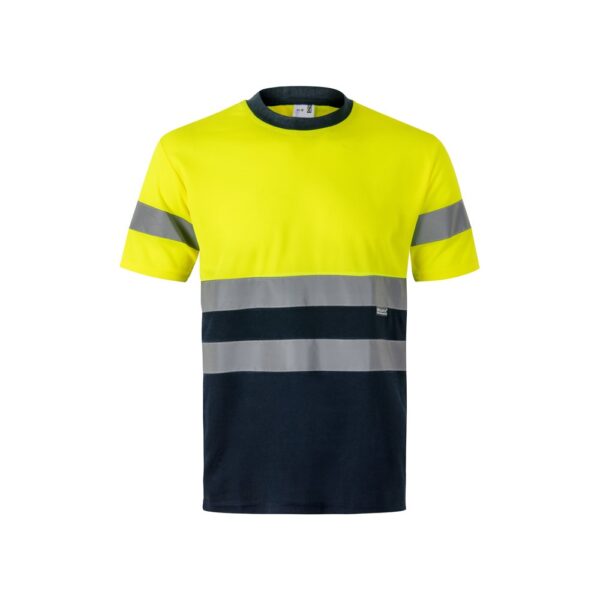
VL BRAHMA high-visibility technical t-shirt
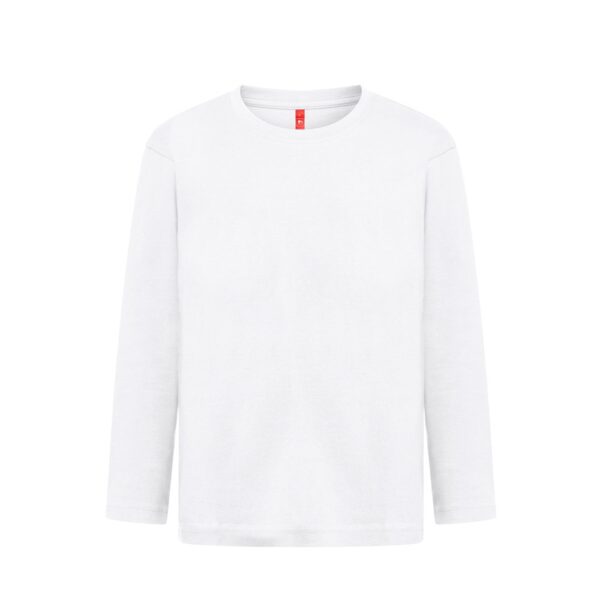
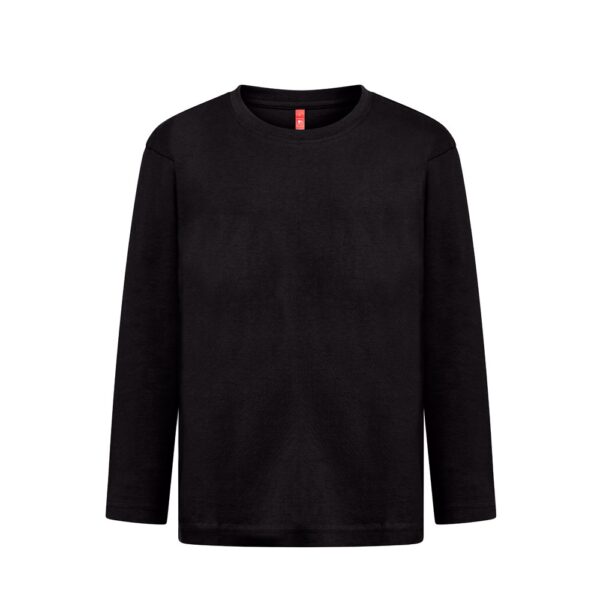
THC BUCHAREST KIDS children’s long-sleeve t-shirt
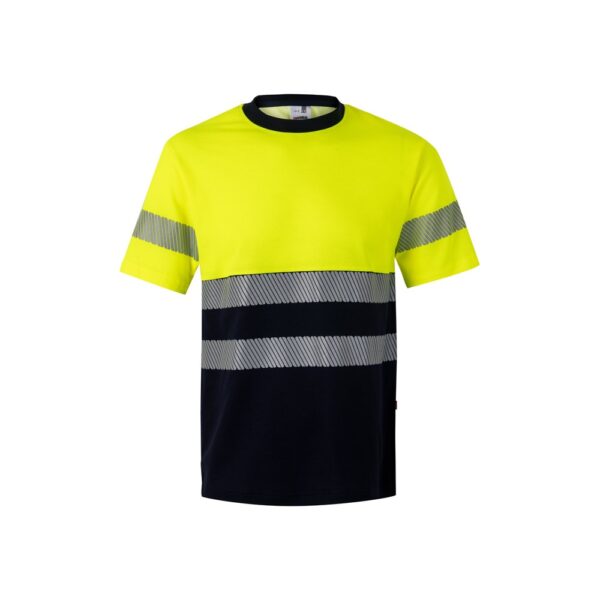
VL BASTET high-visibility piqué t-shirt
3. Food gifts
Food gifts are powerful because they create a moment. They are opened, tasted, shared and remembered in a more personal way than many other promotional products. They work very well for client gifting, staff rewards, seasonal campaigns, event follow-ups, welcome packs and thank-you gifts.
Food is also naturally social; a branded box of biscuits, sweets, chocolates or premium treats often gets shared around an office, meeting room or home. With food gifts, packaging does a lot of the brand work. A printed sleeve, custom box, branded card, ribbon or insert can turn a simple gift into a polished brand experience. The product may be consumed, but the impression can last much longer.
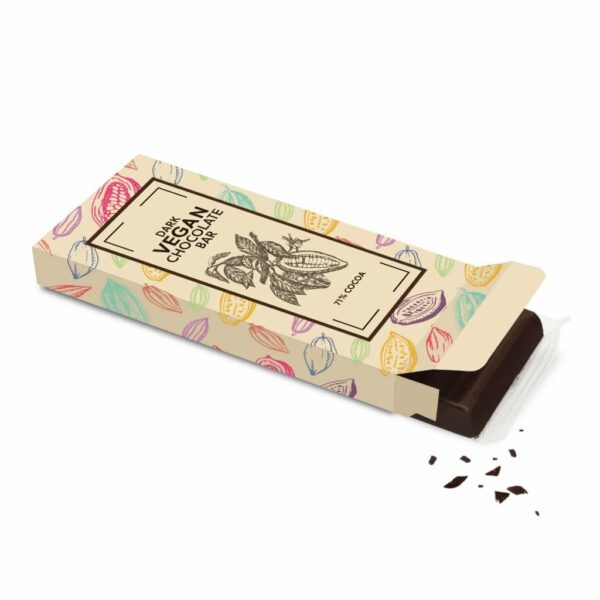
Vegan Chocolate Bar
Price on Request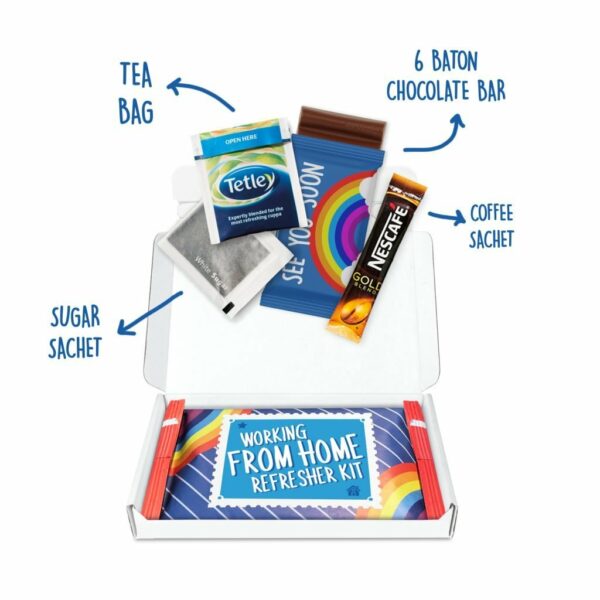
Postal Treat Pack
Price on Request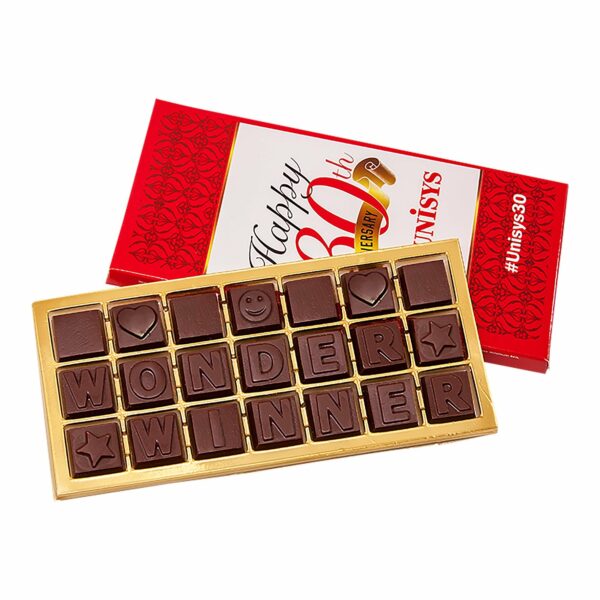
21 Letter Chocolate Message Box
Price on Request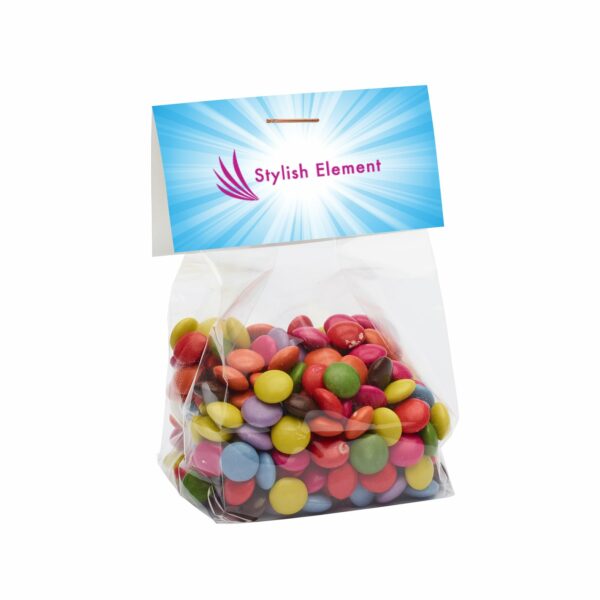
Header Board Bag with Chocolate
Price on Request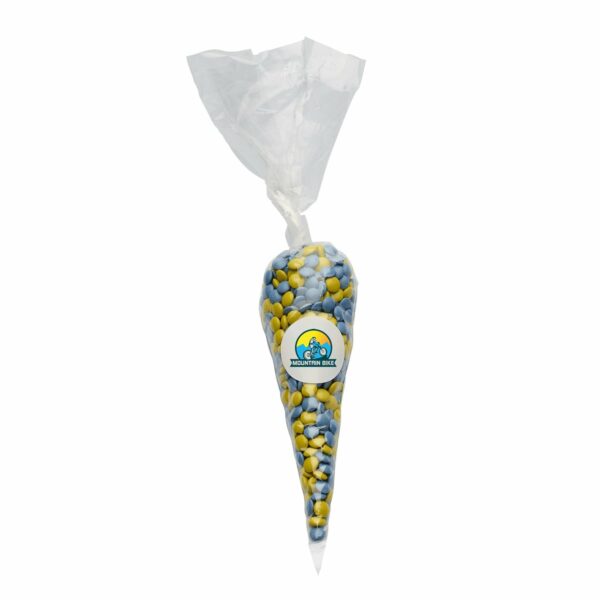
Sweet Cones with Chocolate
Price on Request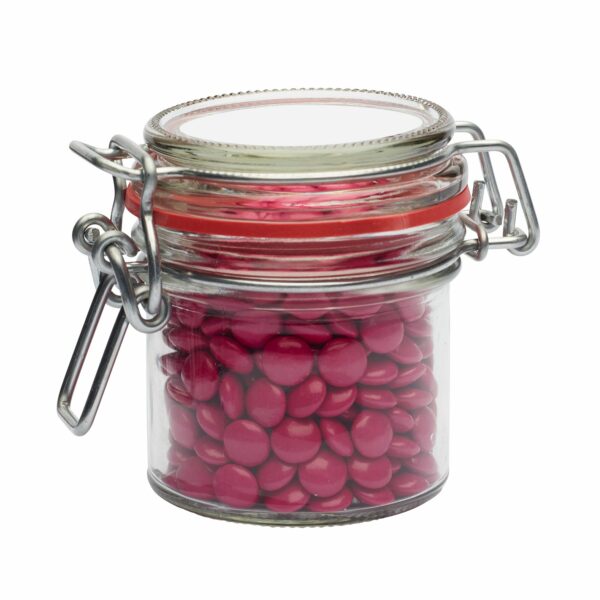
Glass Jar with Chocolates
Price on Request4. Bags
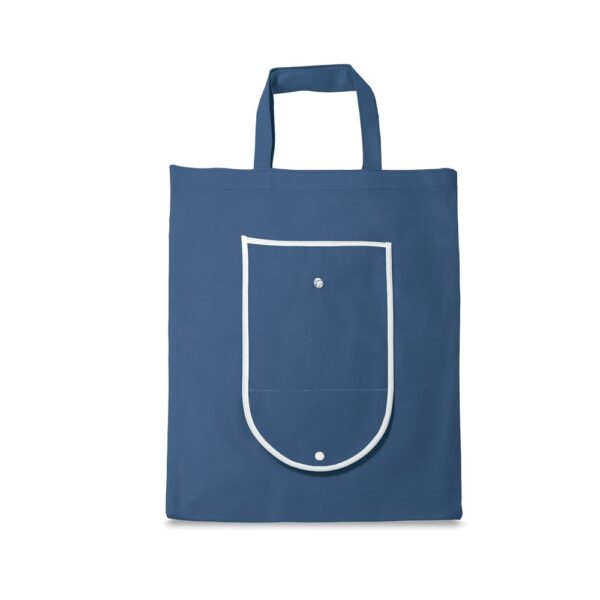
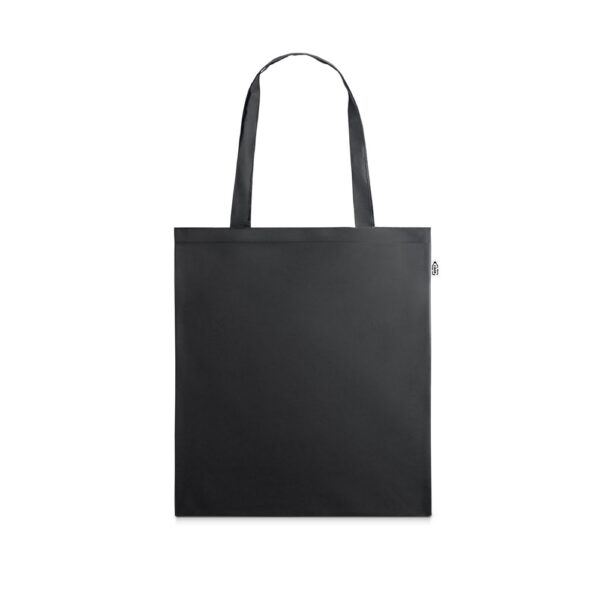
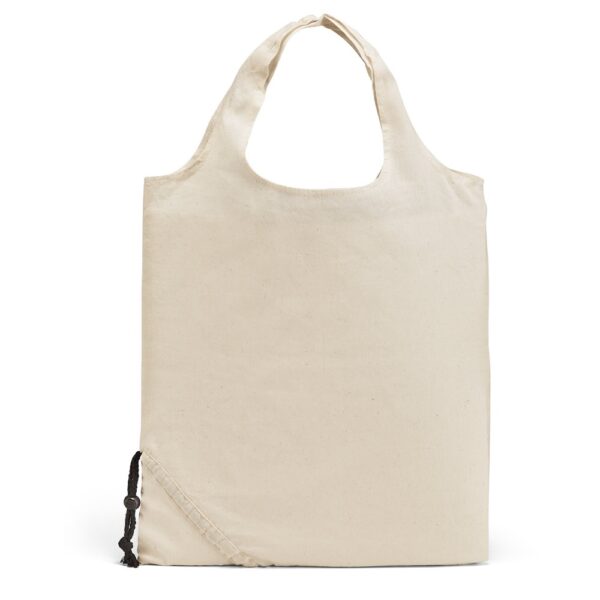
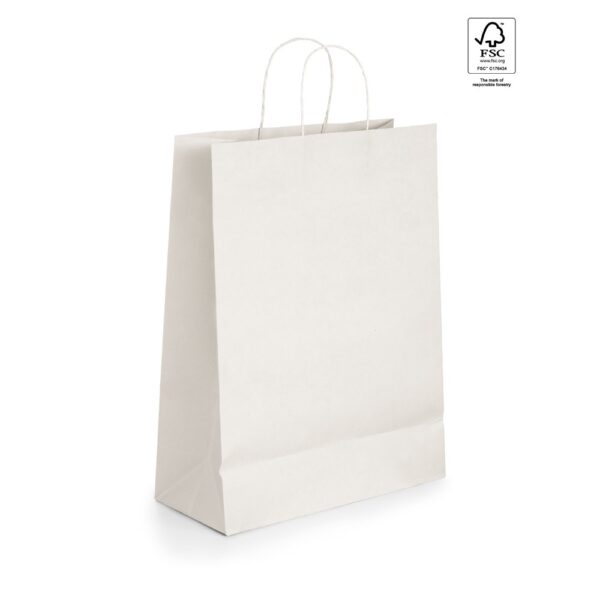
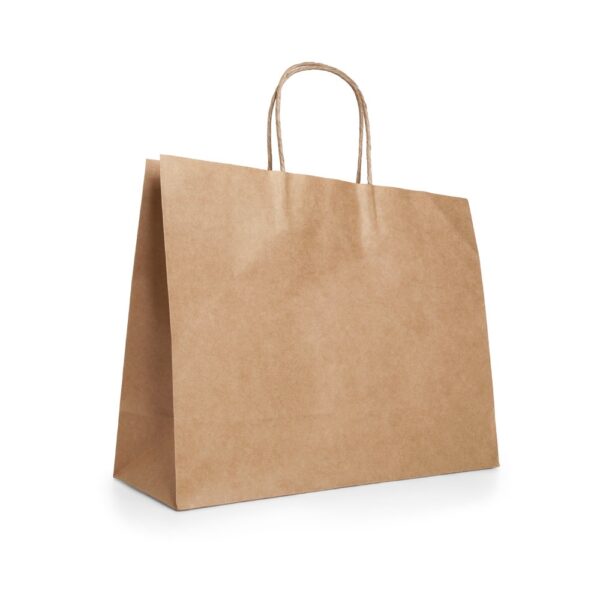
Bags are reliable because they solve a very simple problem: people need to carry things. That makes branded bags useful at exhibitions, conferences, retail events, welcome days, charity campaigns, university events, sports clubs and staff onboarding.
The format can vary widely. A cotton tote may suit a lifestyle or retail campaign; a drawstring bag may suit a school, club or sports event; a laptop backpack may be better for corporate gifting or new-starter packs. The biggest mistake is choosing the cheapest possible bag and expecting it to represent the brand well. A bag is visible; it moves around, and other people see it. If it looks good and feels useful, it carries the brand well beyond the handout moment. If it feels flimsy, it does the opposite.
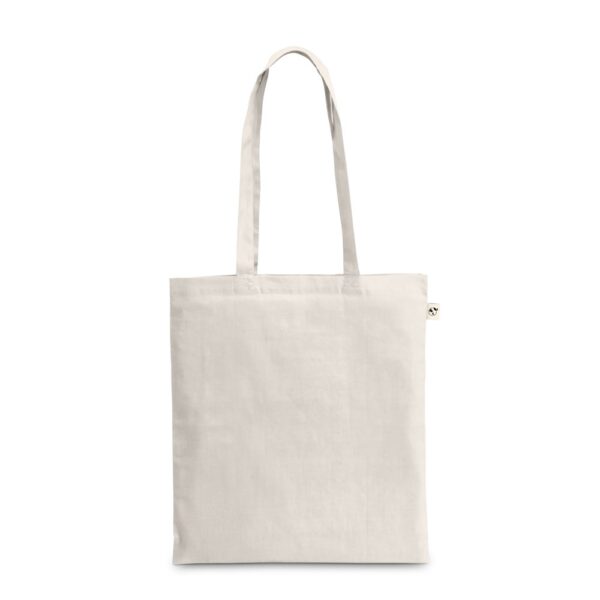
MAPUTO recycled polyester shopper bag
5. Mobile power banks
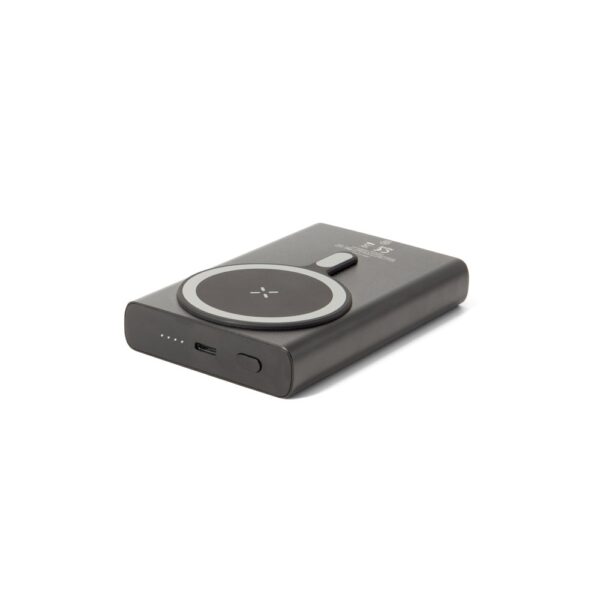
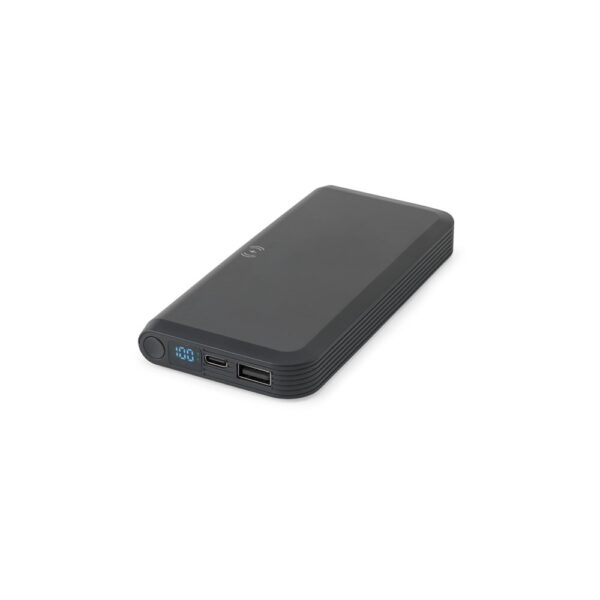
Power banks are useful because they solve a modern problem. No one wants a dead phone at a conference, airport, festival, university open day, sales meeting or long day away from a charger. That makes branded power banks especially relevant for technology campaigns, events, travel, education, exhibitions, sales teams, onboarding kits and customer welcome packs.
This is a good example of practical marketing. The product does not need to be loud; it just needs to be useful at the right time. When the recipient needs power, the brand that gave them the solution becomes welcome.
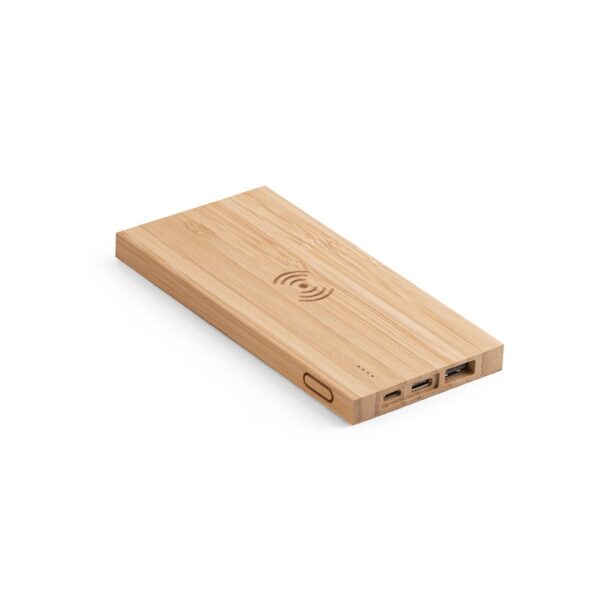
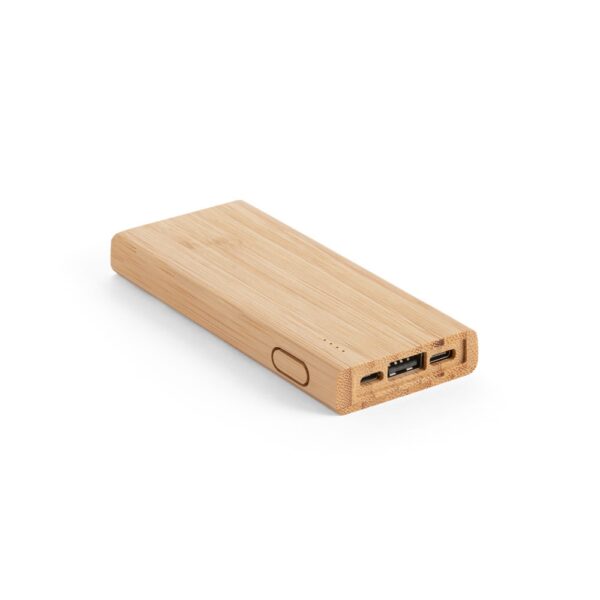
KOHN bamboo power bank
£10.08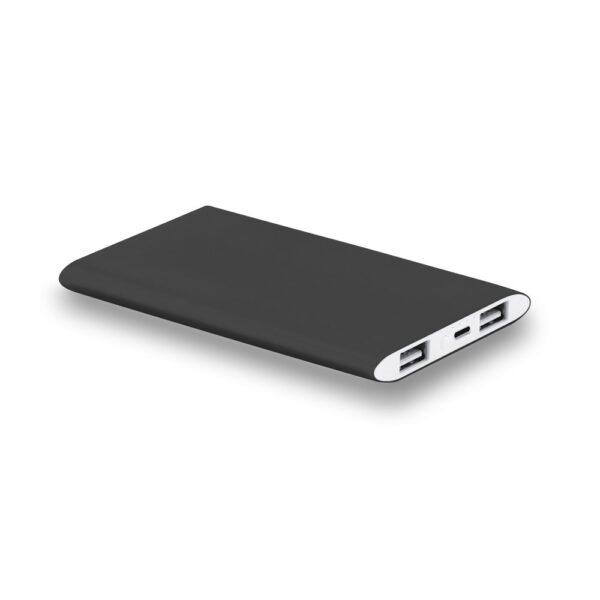
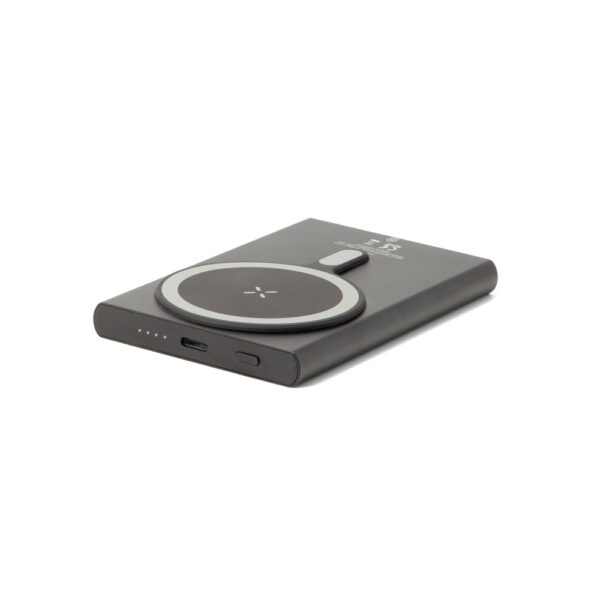
WRIGHT 5 magnetic power bank
£12.22What makes promotional products feel more valuable?
The ASI UK data also shows that the product itself is only part of the story. How a product is made, sourced and personalised affects how consumers view the advertiser.
86%
more favourable when made in the UK
86%
more favourable when personalised
85%
more favourable when socially responsible
84%
more favourable when sustainable
This does not mean every campaign has to use the most expensive product or only UK-made stock; budgets, lead times, quantities, branding methods and availability all still matter. But it does show that consumers notice when a promotional item has a better story behind it. A UK-made item can feel more local and considered. A personalised item can feel more relevant. A socially responsible or sustainable product can make the advertiser feel more thoughtful and the campaign less wasteful.
The important point is honesty. If a product is described as sustainable, there should be a genuine reason for it. If it is called UK-made, that should be accurate. If it is personalised, the personalisation should add value rather than feel like a gimmick.
The mistake many businesses still make
The biggest mistake is not using promotional products. The biggest mistake is using the wrong promotional products.
Too many businesses still treat branded merchandise as filler: something to put in a bag, ordered quickly before an event, chosen only because it is cheap and available. That is risky, because the product becomes part of the brand experience. A pen that stops working says something. A bag that breaks says something. A T-shirt nobody wants to wear says something. A power bank that feels unreliable says something. It may not be the message the business intended, but it is still a message.
The opposite is also true. A useful, attractive, well-branded item can make a business feel more professional, more generous and more considered before anyone has even spoken to the recipient. Promotional products are physical brand media, and they should be treated with that level of care.
How to choose better promotional products
The ASI data points towards a simple buying framework: start with usefulness, then build around audience fit, quality and brand relevance. Before choosing a product, ask these questions.
| Question | Why it matters |
|---|---|
| Will the recipient genuinely use it? | Useful products are far more likely to be kept. |
| Does it suit the audience? | A student campaign, a boardroom gift and a construction event need very different products. |
| Does the quality reflect the brand properly? | The product becomes part of how people judge the advertiser. |
| Is the branding tasteful and durable? | Good decoration makes a product feel much more professional. |
| Does the product have a stronger story? | UK-made, personalised, sustainable or socially responsible options can lift perception. |
This framework does not make a campaign complicated; it simply stops a business choosing merchandise blindly. The cheapest item is not always the best value, and the most expensive is not automatically the best choice. The best promotional product is the one that fits the audience, the message, the moment and the brand.
Promotional products are not only for trade shows
Exhibitions are an obvious use case, but they are not the whole story. Promotional products can support many parts of a brand relationship.
| Use case | How promotional products can help |
|---|---|
| Sales follow-ups | Send something useful after a meeting, demo or proposal. |
| Staff onboarding | Create welcome kits with practical branded products. |
| Client gifting | Use thoughtful merchandise to show appreciation. |
| Events and exhibitions | Give visitors something worth keeping after the event. |
| Product launches | Build launch kits around the product story. |
| Community campaigns | Support charities, schools, clubs and local initiatives. |
| Internal culture | Use branded apparel, notebooks, drinkware and desk items to build team identity. |
The best campaigns do not treat merchandise as a last-minute add-on; they treat it as part of the campaign. The product, artwork, packaging, message and timing should all work together.
What this means for UK marketers
The UK data is encouraging, but it should not be used as an excuse to put a logo on anything. The lesson is more specific. UK consumers respond well to promotional products when those products feel useful, enjoyable, attractive or worth keeping, and they respond even more positively when the product has a stronger value story, such as being made in the UK, personalised, socially responsible or sustainable.
That gives marketers a clear direction: don’t start with the product catalogue, start with the audience. What do they do every day? Where will they use the item? What would they be happy to keep? What would feel relevant to them? What would make your brand look considered rather than careless? Once those questions are answered, the product choice becomes much easier.
So, do promotional products still work in the UK?
Yes, but only when they are chosen properly. The ASI data shows UK consumers respond strongly to promotional products: 97% would have a more favourable impression of an advertiser after receiving one, and 93% would be more likely to do business with that advertiser. Those are strong figures.
But they should be treated as a challenge as much as an opportunity. If branded merchandise can influence perception this strongly, then the product choice matters, the quality matters, the design matters, the usefulness matters and the context matters. Promotional products work when they earn a place in someone’s life by offering warmth, convenience, taste, practicality, design or timing. The product does not need to be complicated. It does need to be considered.
For UK businesses, that is the real opportunity. Stop thinking of promotional merchandise as “free stuff”. Start thinking of it as physical brand media that people can actually use.
Planning branded merchandise for your next campaign?
At All In One Merchandise, we help UK businesses create custom branded products for events, staff onboarding, client gifting, product launches, exhibitions, retail-style merchandise and marketing campaigns, from printed T-shirts and embroidered fleece to branded bags, food gifts, drinkware, tech products and bespoke promotional items. We’ll help you choose merchandise people are more likely to keep and use.
The right product can do more than carry your logo. It can make your brand feel useful, thoughtful and memorable.
Frequently asked questions
Do promotional products still work in the UK?
Yes. According to the ASI Global Advertising Impressions Study 2026/2027, 97% of UK consumers would have a more favourable impression of an advertiser after receiving a promotional item, and 93% would be more likely to do business with that advertiser.
What promotional products do UK consumers most want to receive?
ASI’s UK country spotlight lists fleece, T-shirts, food gifts, bags and mobile power banks as the top five promotional products UK consumers would be excited to receive.
Why do people keep promotional products?
The leading reason in the UK is usefulness. ASI found that 76% of UK consumers would keep a promotional item because it is useful to have. Other reasons include being enjoyable to have, attractive, and useful as a reference for contact information.
Are sustainable promotional products worth considering?
Yes, when the sustainability claim is genuine and relevant. In the UK, 84% of consumers said they would have a more favourable view of an advertiser if the promotional item they received was sustainable.
Are UK-made promotional products more attractive to consumers?
According to ASI, 86% of UK consumers would view an advertiser more favourably if the promotional item they received was made in the UK. This is especially useful for campaigns where local sourcing, shorter supply chains or British-made positioning matters.
Source: Research provided by the Advertising Specialty Institute, ©2026, All Rights Reserved. Report: ASI Global Advertising Impressions Study 2026/2027, source PDF. This article uses UK-specific findings where UK consumer behaviour is discussed. US-only lifetime impression figures from the wider ASI report have not been presented as UK-specific data.